

When your loved one suffers harm in a nursing home, you need answers, including whether they experienced abuse or neglect. This information is key to how you pursue justice. Many people use these terms interchangeably, but they carry different legal meanings that shape your case and your family’s path forward.
At PKSD, we help families in Albuquerque hold nursing homes accountable when their loved ones suffer preventable harm. We understand the emotional weight of finding out the nursing home you entrusted with the care of your loved one, failed to protect them. Our team works diligently to find out what happened, gather the evidence you need, and fights for the compensation your family deserves.
This article explains the differences between nursing home abuse and neglect. Learn what each term means in court, why the distinction matters, and how to recognize warning signs. We also cover how these cases work and what steps you can take to protect your loved one.
Is Nursing Home Abuse Different From Nursing Home Neglect?
Yes. Abuse and neglect are two different types of harm residents can suffer and are actionable in nursing home lawsuits.
Abuse means someone intentionally hurt your loved one. A staff member chose to deliberately cause harm through their actions.
Neglect occurs when the facility fails to provide your loved one with proper care. An example of this is if your family member suffered harm because a caregiver failed to administer medication, assist walking your loved one to the toilet, or some other task that did not get done.
Both situations can cause serious harm to residents and are valid reasons for taking legal action. The key difference is whether the harm was intentional or resulted from failures in care.
What Counts as Nursing Home Abuse Under the Law?
Nursing home abuse occurs when staff intentionally harm residents through their actions. The law recognizes several distinct categories of abusive conduct. Each type causes serious physical or emotional damage to vulnerable residents who cannot protect themselves.
Physical Abuse
Staff members use force or violence against residents, causing bodily harm. This type of abuse leaves visible marks and injuries that families may notice during visits.
- Hitting, slapping, or punching residents
- Pushing or shoving that causes falls or injuries
- Rough handling during care that bruises or hurts residents
- Restraining residents improperly or unnecessarily
- Force-feeding or withholding food as punishment
Emotional Abuse
Staff members use words or actions to cause psychological harm or distress. Victims often become withdrawn, fearful, or show sudden personality changes.
- Yelling, screaming, or verbal threats directed at residents
- Humiliating or belittling residents in front of others
- Isolating residents from family or other residents as punishment
- Ignoring residents or giving them the silent treatment
- Threatening to harm residents or take away privileges
Financial Abuse
Staff or others steal money or property from residents. Many victims lack the mental capacity to notice or report these crimes.
- Taking cash, jewelry, or valuables from residents’ rooms
- Forging signatures on checks or financial documents
- Pressuring residents to change wills or give gifts
- Using residents’ credit cards without permission
- Convincing residents to sign over property or assets
Sexual Abuse
Staff members engage in any sexual contact or conduct with residents. This represents one of the most serious violations of trust in nursing home care.
- Unwanted touching of private areas
- Forcing or coercing residents into sexual acts
- Showing residents pornographic material
- Making sexually explicit comments to residents
- Taking inappropriate photos of residents
These forms of abuse involve intentional actions that harm residents in Albuquerque nursing homes. Neglect operates differently and involves failures rather than deliberate acts.
What Is Considered Nursing Home Neglect in a Legal Claim?
Neglect happens when nursing home staff fail to provide the care your loved one needs. Neglect isn’t about causing intentional harm; it’s about not doing what should be done or not doing something properly.
What Is Nursing Home Neglect in a Legal Claim?
Neglect happens when nursing home staff fail to provide the care your loved one needs. Unlike abuse, neglect involves inaction rather than intentional harm. The facility or its employees simply don’t do what they should do.
Here are some common examples of nursing home neglect:
- Medical Neglect: Staff fail to provide necessary medical care, such as tending to a developing pressure sore or treating a UTI.
- Hygiene Neglect: Staff don’t assist residents with bathing, using the toilet, or maintaining basic cleanliness.
- Nutrition and Hydration: Staff fail to assist residents who need help eating, or ensuring other residents eat enough food or drink enough water.
- Mobility: Staff don’t help residents transition safely from a bed to a wheelchair — and back again — or regularly turn bedridden residents to prevent bedsores from developing.
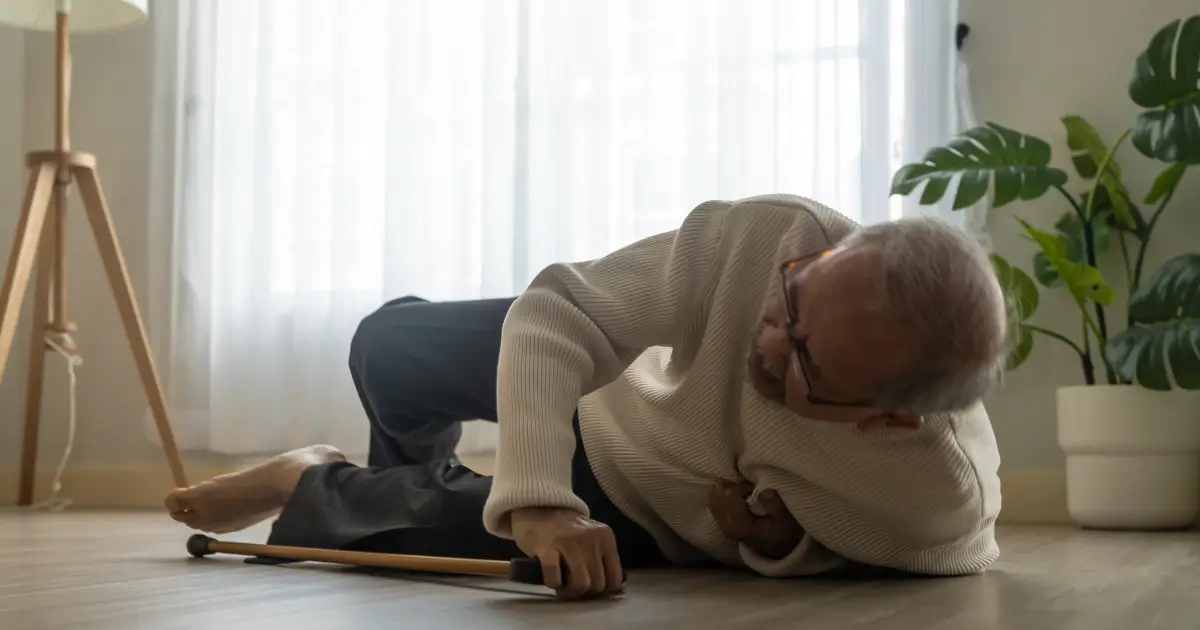
- Fall Prevention: Staff ignore safety risks, that can lead to preventable falls — like accompanying residents who need assistance and leaving halls and shared living areas cluttered.
- Medication Errors: Residents suffer serious or even fatal harm because a staff member skipped administering critical medication, gave the wrong dose — or the wrong medication — or failed to follow prescription orders.
- Supervision Failures: Staff leave vulnerable residents alone without proper monitoring or assistance.
- Environmental Negligence: The facility fails to maintain safe, clean-living conditions for residents.
Why the Difference Between Abuse and Neglect Matters in Court
The distinction between abuse and neglect affects how your case proceeds in court. Each type of harm requires different evidence and follows different legal standards.
What You Must Prove
Abuse cases focus on proving someone intentionally hurt your loved one. You must show that a staff member chose to cause harm through their actions.
Neglect cases focus on proving the facility failed to meet its duty of care. You don’t need to prove intent. You only need to show the nursing home didn’t provide adequate care and your loved one suffered as a result.
Who Can Be Held Responsible
The type of harm determines who you can hold accountable in your lawsuit. Abuse often involves individual staff members who committed the harmful acts. But nursing home facilities can also be liable in cases of abuse for negligent hiring, inadequate supervision, or a failure to provide a safe environment.
Neglect typically stems from facility-wide problems. Understaffing, poor policies, or inadequate training are common issues that create conditions where residents have a foreseeable risk of suffering harm.
How It Affects Your Case
Some situations involve both abuse and neglect. Take, for example, a resident who develops bedsores due to negligent care. Then later, that same resident suffers abuse when a staff member handles them roughly or yells at them for crying out instead of being quiet.
Courts in Albuquerque take both types of claims seriously. Nursing home facilities in New Mexico have a legal duty to protect residents. When they fail, the victim’s families deserve compensation for medical bills, pain and suffering, and trauma their loved ones suffered.
How Do I Know if My Loved One Is a Victim of Abuse or Neglect?
Warning signs often appear gradually or suddenly. You are more likely to see physical or mental changes when you visit regularly. Trust your instincts when something feels wrong when you visit your loved one — or even when you talk to them on the phone and something sounds “off.”
Physical Warning Signs
Your loved one’s body may show bruising or other evidence of harm. Look for unexplained injuries, poor hygiene, or declining health.
- Unexplained Bruises or Injuries: Marks that staff cannot explain, are not mentioned in your loved one’s medical records, or that don’t match their explanation.
- Bedsores or Pressure Ulcers: Open wounds from lying or sitting too long without being moved. Pressure sores can quickly become life-threatening without proper treatment.
- Poor Hygiene: Be concerned if your loved one is always disheveled, wearing dirty clothes, lying on soiled sheets, or has strong odors suggesting a lack of basic hygiene or care.
- Weight Loss or Dehydration: Sunken eyes, dry skin, or noticeable weight loss changes.
- Broken Bones or Sprains: Frequent or unexplained injuries that staff may try to claim were accidental falls.
Behavioral Warning Signs
Residents often show emotional changes when experiencing harm. Pay attention to how your loved one acts around specific caregivers or staff.
- Sudden Fear or Anxiety: Your loved one becomes scared or refuses to interact with specific staff.
- Mood Changes: Depression, anger, or personality shifts that seem out of character.
- Refusing Care: Your loved one resists bathing, eating, or medical attention they previously accepted.
- Reluctance to Talk: Your loved one withdraws or suddenly changes the subject or won’t talk about the facility or caregivers.
Facility Warning Signs
The nursing home environment may reveal care problems. Observe conditions during visits to Albuquerque facilities.
- Understaffing: Few staff on duty, long waits for help, or employees rushing through care.
- Unsanitary Conditions: Dirty rooms, unclean common areas, or strong, unpleasant smells.
- Lack of Supervision: Residents left alone, wandering without help, or calling for assistance without response.
- Staff Behavior: Employees speaking harshly, ignoring calls for help, or acting defensively.
Document what you see. Take photos if possible. Write down dates, times, and observations. This evidence becomes critical to your case if you take legal action.
FAQs Families Have About Nursing Home Abuse vs. Neglect
Families often have questions about the legal differences between abuse and neglect. These answers address common concerns about filing claims and pursuing justice.
Can neglect be considered abuse under the law?
Yes, severe neglect may rise to the level of abuse depending on the harm caused. When staff knowingly ignore a resident’s needs and serious injury results, courts may treat it as intentional abuse. The distinction depends on whether the neglect was so extreme that it shows deliberate indifference to your loved one’s safety.
Do I need proof that the nursing home acted intentionally?
Not always. Neglect claims rely on showing the facility failed to meet care standards. You must prove they didn’t provide adequate care, and your loved one suffered harm. Abuse claims require evidence of intentional harmful actions.
What if my loved one cannot communicate what happened?
Lawsuits can still proceed using other evidence. Medical records show injuries and their severity. Facility reports reveal staffing levels and incident documentation. Witness testimony from other residents, visitors, or staff members helps establish what occurred. Many successful cases in Albuquerque involve residents who cannot speak for themselves.
How long do I have to file a nursing home abuse or neglect lawsuit?
Time limits vary by state, so speaking with an attorney quickly is critical. In New Mexico, the statute of limitations — the legal filing deadline — is three dates from when your loved one’s injury occurred or was first discovered. Missing that deadline means losing your right to pursue compensation.
Can a nursing home be sued for understaffing?
Yes. Chronic understaffing is an ongoing, common, and serious factor in neglect-related lawsuits. When facilities don’t hire enough workers to provide proper care, residents suffer from preventable harm. You can hold the nursing home responsible for creating dangerous conditions through inadequate staffing in Albuquerque, New Mexico.
When Abuse Crosses the Line into Criminal Conduct
Some nursing home abuse isn’t just a civil matter. It becomes a crime. When staff intentionally harm residents, they may face criminal charges alongside civil lawsuits.
Criminal abuse involves actions that violate state laws in New Mexico. Assault, battery, theft, and sexual assault all fall under criminal statutes. Law enforcement can arrest staff members, and prosecutors can file charges.
Civil lawsuits seek financial compensation for victims and their families. Criminal cases seek punishment for the abuser through jail time or fines. Both can happen at the same time for the same incident.
When Criminal Charges Apply
Certain types of abuse trigger criminal investigations in Albuquerque. Physical violence and sexual misconduct top the list.
- Physical Assault: Hitting, kicking, or using force that causes injury to a resident.
- Sexual Assault: Any unwanted sexual contact or conduct with a resident.
- Theft or Fraud: Stealing money, property, or assets from residents.
- False Imprisonment: Locking residents in rooms or restraining them without medical justification.
- Endangerment: Creating dangerous conditions that put residents at serious risk of harm.
How Criminal Cases Affect Civil Claims
A criminal conviction strengthens your civil lawsuit. It proves the abuser acted intentionally and caused harm. Courts view this evidence as highly credible in Albuquerque courts.
You don’t need to wait for criminal charges to file a civil claim. At PKSD, we can pursue your case regardless of whether police investigate what happened. We do our own investigation, gather our own evidence, and build a compelling case to secure the compensation you need.
If you suspect nursing home abuse occurred, you should immediately report it to the facility’s administrators and local authorities.
How PKSD Helps Families Hold Nursing Homes Accountable for Abuse or Neglect
Your loved one deserves safe, dignified care in their nursing home. When facilities fail through abuse or neglect, families have legal rights to seek justice and compensation.
When PKSD manages your case, we thoroughly investigate what happened, gather evidence, and fight to secure compensation you deserve on behalf of your loved one.
If you suspect your loved one suffered abuse or neglect in an Albuquerque nursing home, our experienced nursing home injury lawyers in Albuquerque are prepared to help. There are no upfront fees or out-of-pocket coststo pay. We only get paid if you do.
Call PKSD at 505-677-7777 today. Your consultation is cost and risk-free.