


Quick Answer: A fall in a nursing home is not always an unavoidable accident — they can result from sudden medical events. But many falls are preventable when a facility properly assesses a resident’s fall risk, provides adequate supervision, and follows a care plan. When a nursing home fails to take reasonable steps to prevent foreseeable harm, a fall may constitute negligence.
Common situations that make a fall preventable include:
- Ignoring a known fall risk or medical condition
- Failing to provide supervision during transfers or bathroom visits
- Not updating care plans after previous ;falls
- Unsafe environmental conditions, such as cluttered walkways or poor lighting
Are Falls in Nursing Homes Always Accidents?
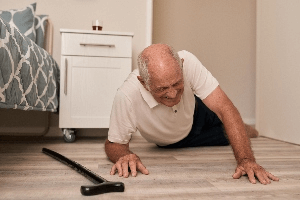
Not every fall in a nursing home is the result of negligence, but it is also not always “just an accident.” Some falls happen because of sudden medical events that could not have been reasonably predicted, such as fainting due to an unexpected heart rhythm problem or a stroke. These are generally unavoidable.
However, many falls occur because the facility failed to take reasonable precautions or follow standard care protocols. Examples of falls that may indicate negligence include:
- A resident attempting to walk to the bathroom alone despite being identified as high risk
- Ignored call lights or delayed staff response during transfers
- Repeated falls without updates to the resident’s care plan
- Unsafe environmental conditions, such as wet floors, cluttered hallways, or poor lighting
It is critical to recognize the difference between an unavoidable accident versus a preventable fall. Facilities have a legal duty to anticipate foreseeable risksand take reasonable steps to reduce the chance of injury. When that duty is ignored, what appears to be an accident may actually be deemed as preventable harm.
How Are Nursing Homes Legally Required to Prevent Residents From Falling?
A nursing home’s legal duty to protect residents from falls begins with an initial fall risk assessment during admission. This duty extends throughout the resident’s stay to include regular monitoring, especially after medical changes or unpreventable falls occur.
Facilities are required to implement care plans that address identified risks and adjust them as needed to reduce the likelihood of injury.
What Safety Measures Should Be in Place to Reduce the Risk of a Fall?
Preventing falls in a nursing home requires both environmental and staff-focused safety measures. Facilities must proactively address known risks and ensure residents have the support they need to move safely.
Key measures that help reduce the risk of a fall include:
- Conducting individualized fall risk assessments and updating care plans regularly
- Providing adequate supervision during transfers and bathroom visits
- Ensuring staff are trained in safe mobility and fall prevention techniques
- Maintaining safe environments with clear walkways, non-slip flooring, and proper lighting
- Installing bed or chair alarms for high-risk residents
- Responding promptly to call lights and other resident alerts
- Monitoring and assisting residents with known mobility or balance issues consistently
How Do I Know if My Loved One’s Fall Could Have Been Prevented?
Families can look for signs that a fall may have been preventable by reviewing the resident’s history and the facility’s actions. Check whether fall risk assessments were completed; care plans were regularly updated after prior incidents, and staff were adequately supervised.
Additional questions to ask the facility:
- Was the resident identified as high-risk for falls?
- Were care plan updates made after previous falls?
- Were call lights answered promptly?
- Was the environment free of hazards like wet floors or cluttered walkways?
When a Preventable Fall Becomes Nursing Home Negligence
A fall becomes nursing home negligence when the facility could reasonably foresee the risk and failed to take appropriate action to prevent it. It is not enough that a fall occurred — the key is whether the facility ignored clear warning signs or failed to follow standard safety practices.
Specific examples of negligence include:
- Allowing a resident with a known history of wandering to walk alone unsupervised at night.
Failing to place a high-risk resident near the nurse’s station or provide a bed alarm. - Ignoring repeated requests from staff or family to provide additional assistance during bathroom visits.
- Failing to clear walkways from clutter — such as rugs, cords and other equipment — despite knowing residents use walkers or canes.
- Not providing hip protectors or proper footwear to residents with balance or mobility issues.
- Failing to document or respond to prior minor falls, leaving the resident at greater risk for a serious injury.
State and Federal Laws Nursing Homes That Require Fall Prevention
Laws at both the federal andstate level require nursing homes to take reasonable steps to protect residents from preventable injuries, including falls. These laws set standards for care, supervision, and safety measures.
While federal and state requirements can vary, they are both designed to hold facilities accountable when preventable injuries occur, giving families a pathway to seek recourse if a nursing home fails its legal duty.
Why Hire PKSD for Help With a Nursing Home Fall Injury Claim
Navigating a nursing home injury claim after a fall can be overwhelming. PKSD helps families by taking a thorough, step-by-step approach to investigate, document, and pursue every legal option.
Here are some of the specific ways we help:
- Review medical records, incident reports, and care plans to identify preventable lapses.
- Investigate staffing levels, supervision practices, and safety protocols at the time of the fall.
- Interview staff, witnesses, and experts to establish patterns of negligence.
- Search for and document any prior falls or incidents that show foreseeable risk.
- Guide you through the legal process and explore all available options for compensation.
- Protect your loved one’s rights while keeping you informed and supported every step of the way.
FAQs About Preventable Nursing Home Falls and Legal Claims
Not Sure if a Fall Was Due to Negligence? Call PKSD Today — We Can Help
If your loved one has fallen in a nursing home, it can be hard to know whether it was truly an accident or the result of preventable negligence. Reviewing care plans, fall history, and staff actions can reveal whether the facility failed to take reasonable steps to protect them.
At PKSD, our experiencednursing home injury lawyers in Albuquerqueare prepared to help you investigate every detail of your loved one’s fall to determine if you may have legal options.
Don’t wait — evidence can disappear, and deadlines apply. Call PKSD today to protect your loved one’s rights and get the guidance you need immediately.
Request your FREE consultation with a highly qualified lawyer at PKSD today. 505-677-7777